Green Bay, WISame-day service/Free estimates/Licensed & insured(920) 228-8928

Green Bay, WI

Garage Door Installation for Green Bay's 1960s-2000s Housing Stock

Serving Green Bay homes built mostly between 1962 and 2008, where original doors and openers weren't built for our cold band. Straight talk on install scope and timing.

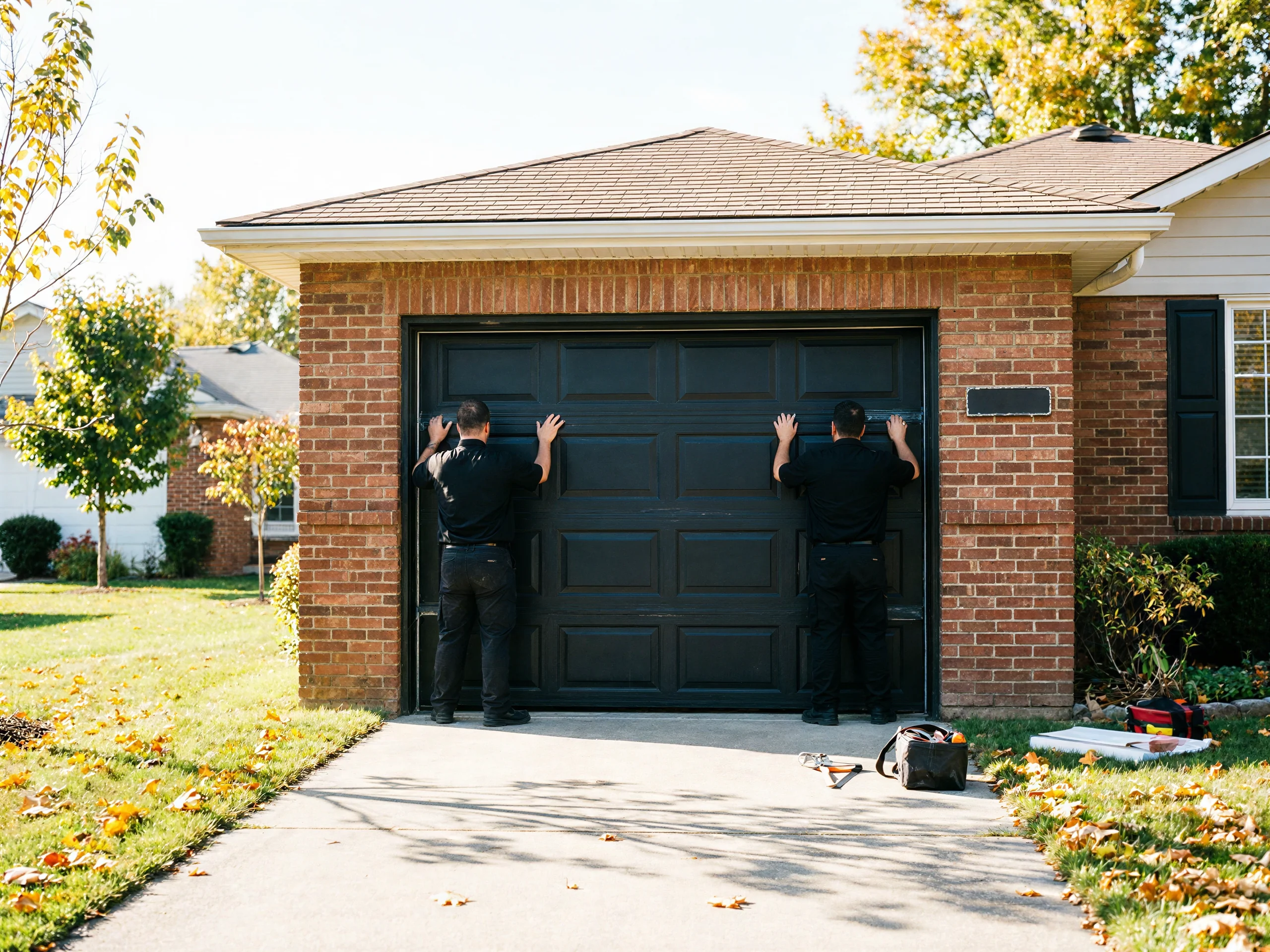
Two technicians work on a black garage door on a brick house.
Serving Green Bay, WIBackground-checked techsHonest, upfront pricingFast local response
Local
Crews that work this area daily
Same-day
Response for most repair calls
Upfront
Pricing agreed before we start
Insured
Background-checked technicians

Timing

How Long It Takes

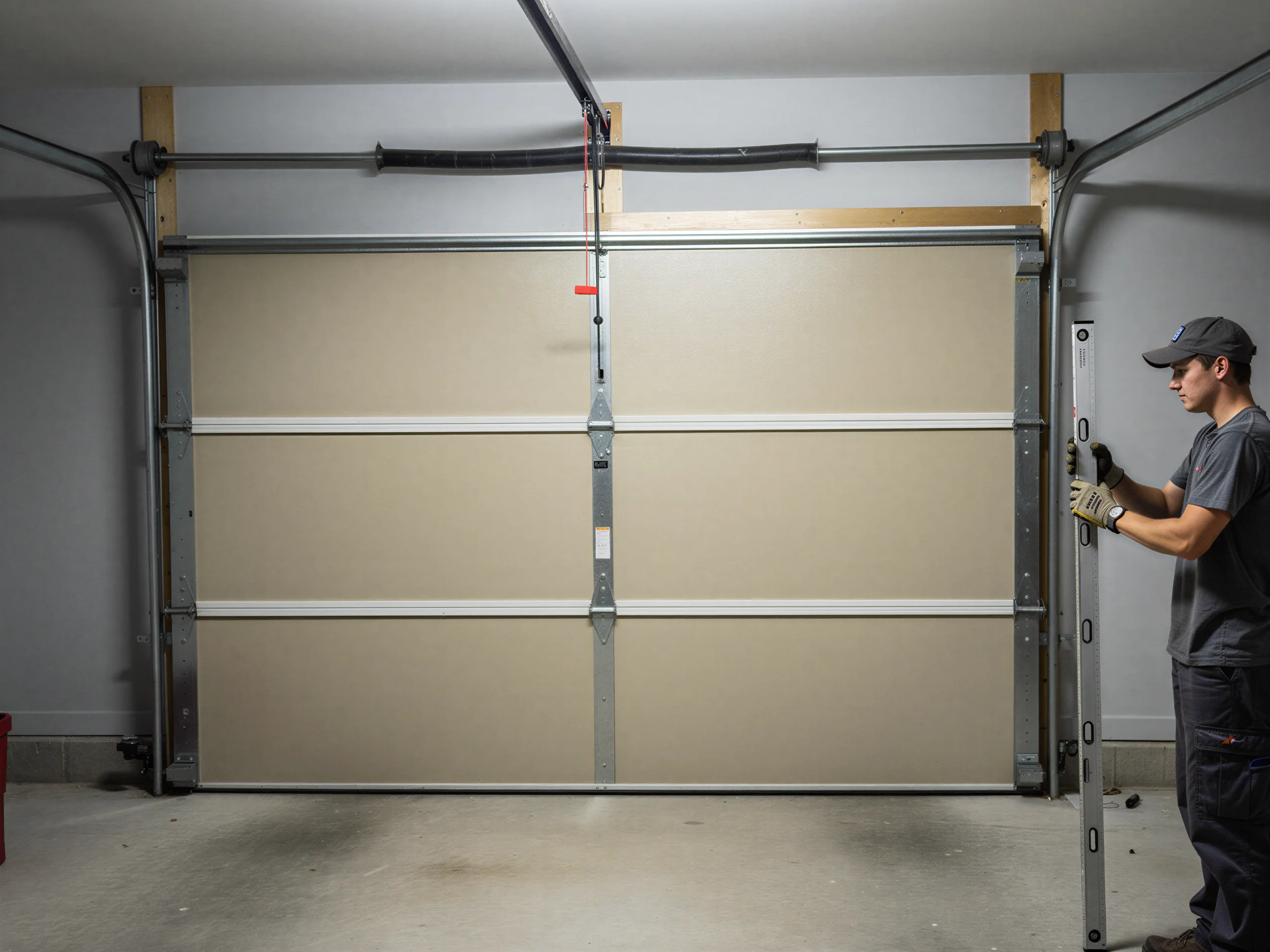
A straight swap of a standard door on an opening that's already framed correctly is the simplest job we do. Where it gets longer is what's underneath.

Old opening dimensions mismatch

A lot of Green Bay garages were framed during the 1962-2008 building wave, with the median build year sitting around 1985, and header and track dimensions from that era don't always match the door sizes sold today. If your opening needs a new jamb, a different track radius, or added headroom for an insulated section, that adds real time to the job before the door even goes up.

Insulation choice matters

We also don't rush insulation decisions. In a severe cold climate band like ours, an uninsulated steel door and a double-insulated steel door install almost the same way but perform very differently come January. We'd rather talk through that with you on-site than quote a number over the phone and have it change once we see the opening.

Carpentry before installation

One honest limit: if your opening is out of square by more than a small margin, or the header's rotted from old flashing problems, that's carpentry work before it's a door install, and we'll say so rather than force a door into a bad frame.

Warning signs

How It Shows Up

Most calls start the same way: the door still runs, but it's working harder than it should. On houses from the 1980s and 90s stock that makes up a lot of Green Bay's 27 named neighborhoods, we see steel doors with no insulation value, foam cores that have separated from the skin after enough freeze-thaw cycles, and bottom seals that have hardened and cracked in the cold rather than worn out from use.

Original openers overwhelmed

Openers from that same era are often original to the house, too - chain-drive units rated for lighter doors that now strain against a heavier insulated replacement someone bolted on later without upgrading the opener to match.

Groaning, delayed lift

You'll hear it before you see it: a groan on lift, a delay before the door catches, a motor that runs longer than it used to for the same door. Sometimes the sign isn't mechanical at all.

Drafts from aged seals

It's daylight at the bottom seal, or a draft across the garage floor that wasn't there five winters ago. That's not a spring problem or a cable problem - that's a door that's aged out of doing its one real job, which is keeping outside air outside.

Local causes

Why This Fails Locally

This isn't a generic wear-and-tear story. Green Bay sits in a severe cold climate band, and a huge share of the housing here - built between 1962 and 2008, with the bulk of that from the 1980s and 90s - was fitted with doors and hardware sized for the building codes and materials of those decades, not for the insulation standards or steel gauges used now. A single-layer steel door that was perfectly adequate in 1985 simply wasn't engineered against the freeze-thaw cycling and sustained cold we get through a full winter here.

Across the service area - 68,143 households, 35,524 of them owner-occupied houses - that means a large, aging, mostly original population of doors reaching the point where the foam core has shrunk away from the skin, or the track has warped slightly from decades of condensation and thaw at the base. It's not that these doors were built badly. It's that they were built for a different set of expectations, and three or four decades of our winters are exactly the stress test that exposes it. That's the local reason installation calls cluster around certain house ages rather than coming in evenly from everywhere.

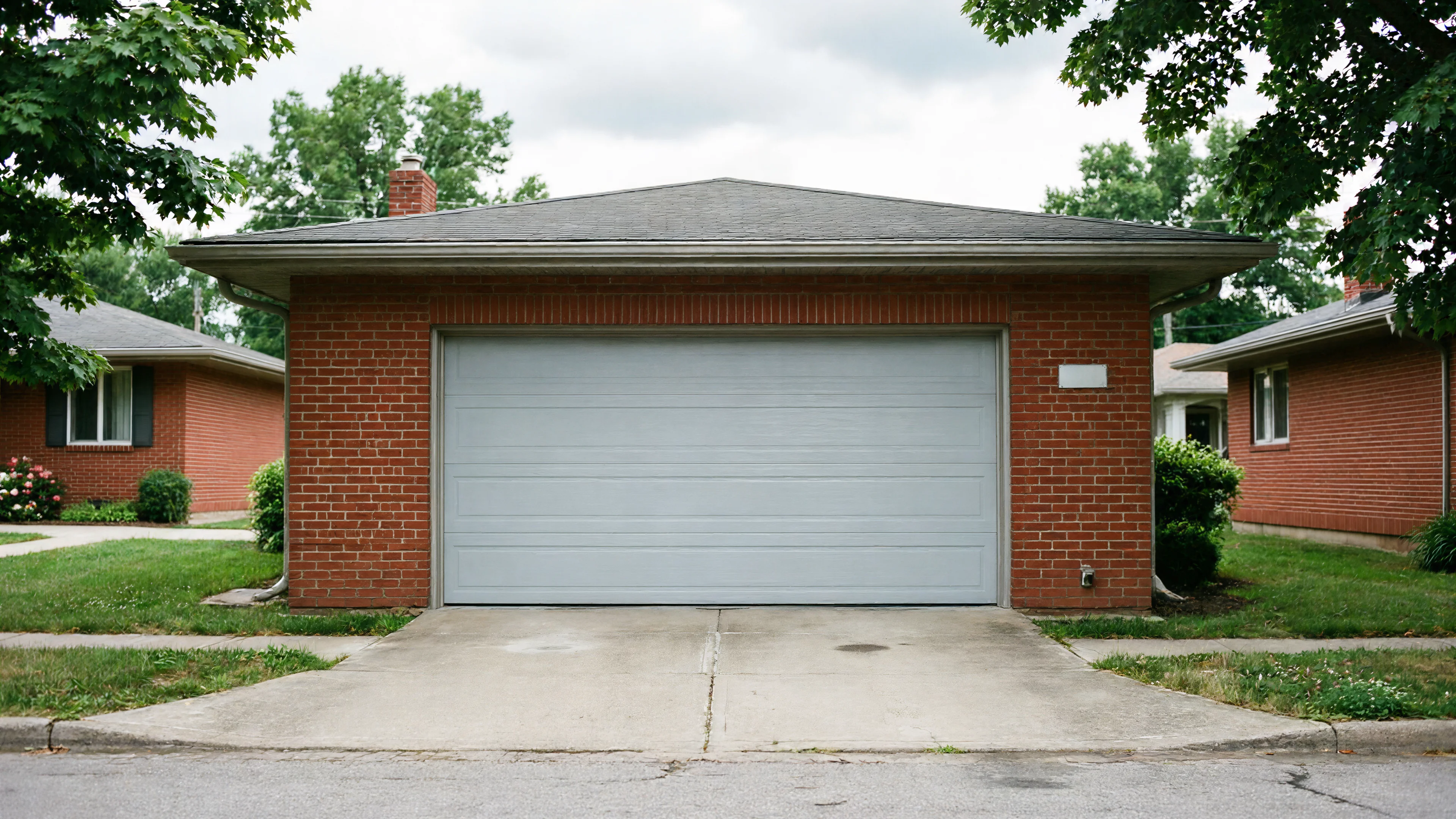
A red brick garage with a gray garage door and a gray roof.

The repair

What the Repair Takes

Once we're past measuring the opening, the install itself comes down to matching the door to the house, not just to the hole in the wall.

  1. Spring sizing for insulation

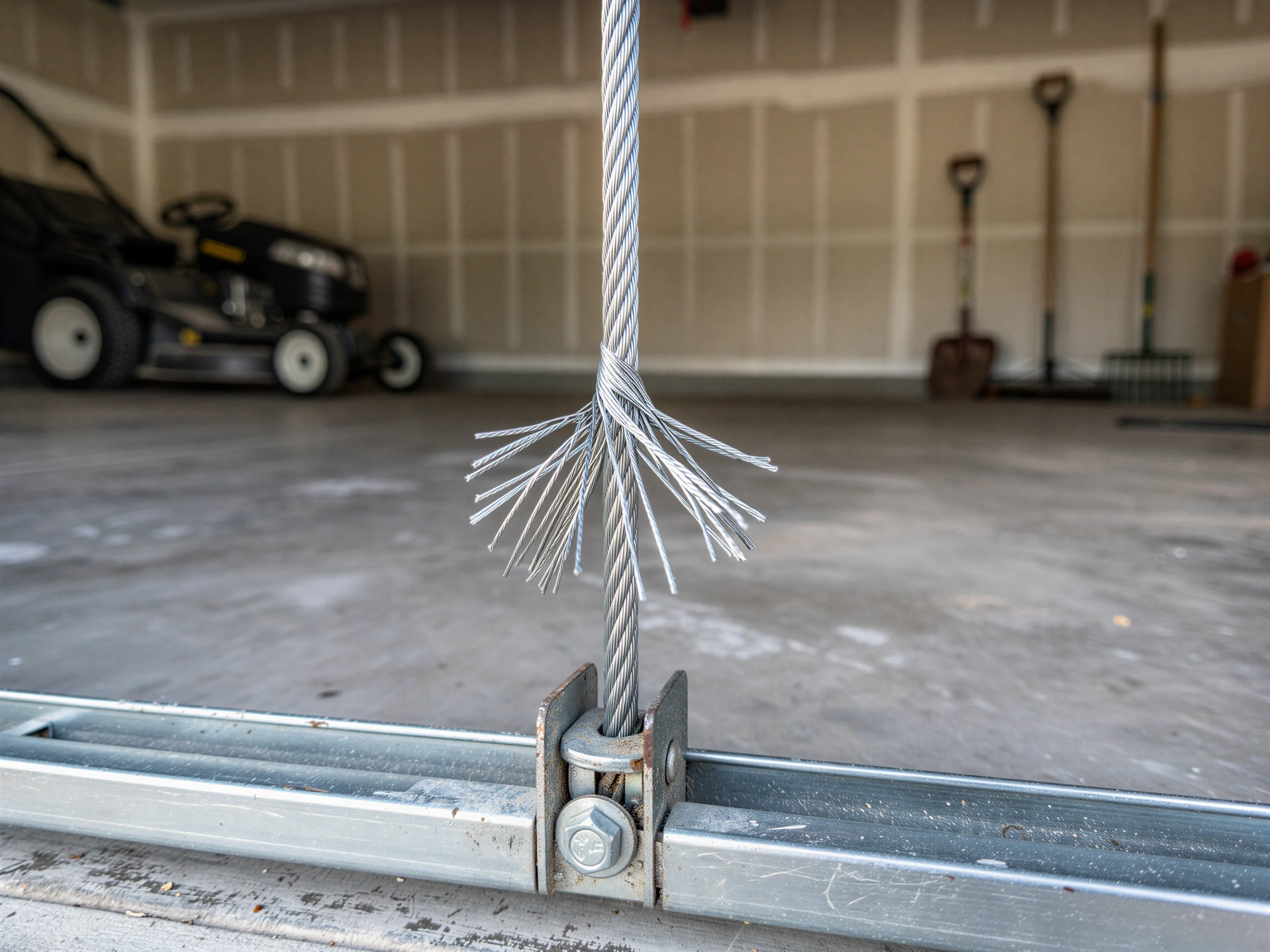
    For the cold band we sit in, that usually means talking through insulated versus non-insulated sections, and whether the existing track and springs can carry a heavier insulated door or need upgrading alongside it - springs sized for a lighter original door will burn out fast under a heavier replacement.

  2. Opener weight compatibility check

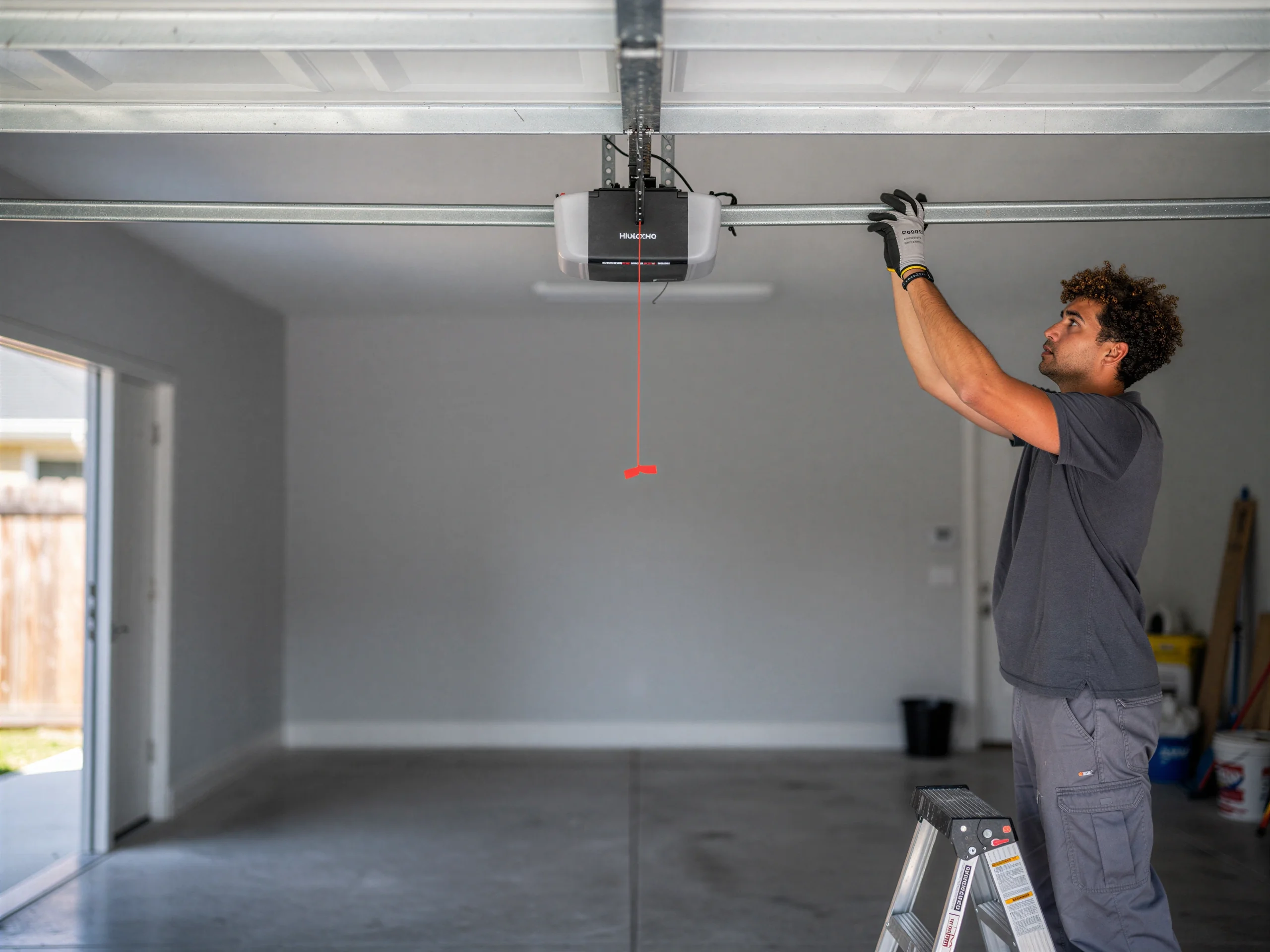
    We also check the opener against the new door's weight before we hang anything, since a lot of the openers still running on houses from this build era were matched to the original, lighter door, not whatever's going up now. If the opener's undersized, that's a conversation worth having before install day, not an afterthought.

  3. Refusing mismatched door installs

    What we won't do is install a door we think is wrong for the opening just because it's in stock. If the jamb's rotted or the header's inadequate for the new door's weight, we'll say so and scope that work separately rather than hang a door that won't hold up through a winter.

Questions

Common questions

How do I know if I need a new door or just a repair on my old one?

If the panels are cracked, the foam core has separated, or the door is original steel from the 1980s or 90s with no insulation, repair usually just delays the same cold-weather problems. If it's a single broken spring or cable on an otherwise sound door, repair makes more sense. We'll tell you honestly which side of that line your door is on.

Does my opener need replacing when I get a new door?

Not always, but check the weight rating first. A lot of openers in Green Bay houses were matched to a lighter original door, and swapping in a heavier insulated door without checking the opener can burn out the motor fast. We test this before install, not after.

Why does insulation matter so much for a garage door here?

Green Bay sits in a severe cold climate band, and an uninsulated steel door loses heat through the panel itself, not just at the seals. On an attached garage that affects the rooms next to it. It's one of the first things worth deciding on before we order a door.

Can you install on an opening that's out of square?

Sometimes, with shimming and adjustment, but if it's out by more than a small margin or the header's compromised, that's carpentry work before it's a door job. We'll flag it rather than force a door into a bad frame.

Ready when you are

Ready for a new garage door in Green Bay?

Green Bay Garage Door Co repairs and installs garage doors, springs and openers in Green Bay, WI and the surrounding area.

Call NowGet a quote