 Why Green Bay Garage Doors Break the Way They Do
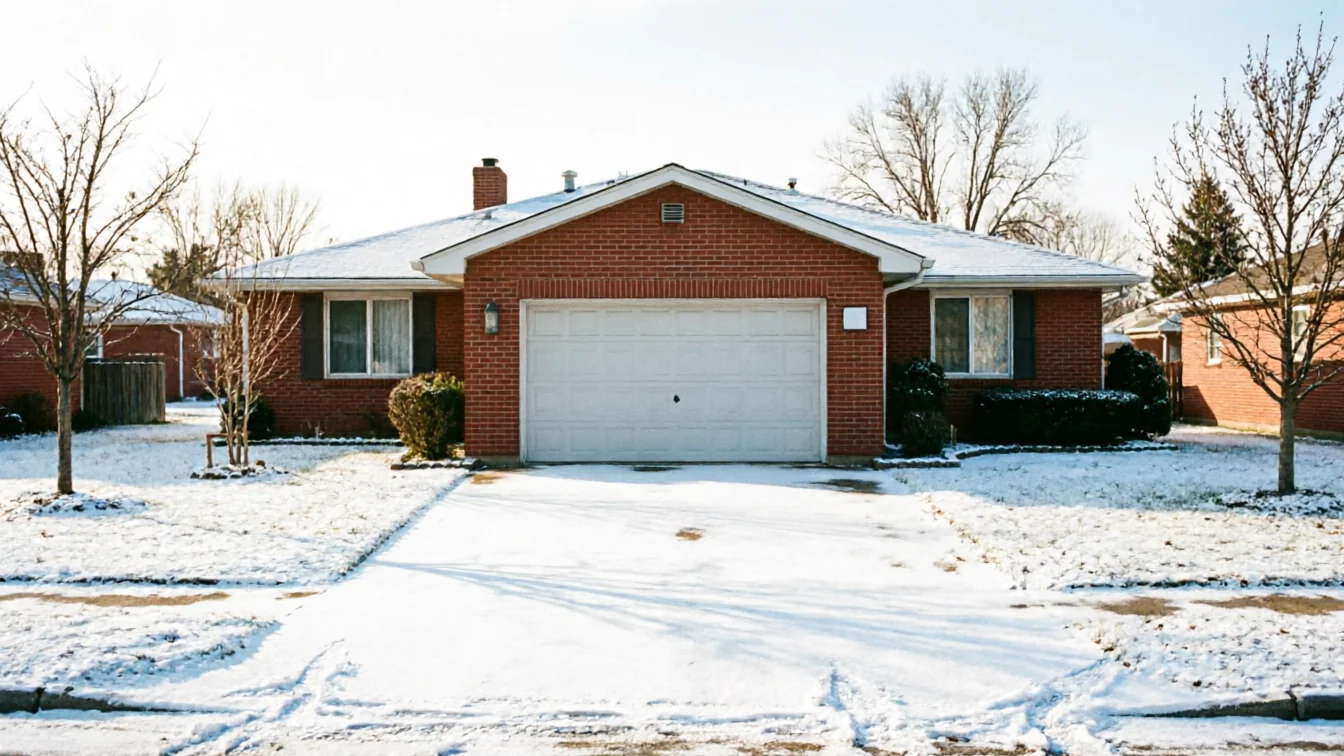
Green Bay homes mostly date 1962-2008 with hardware built for a cold severe climate.
Openers and Power Cuts: What's Really Going On in Green Bay
Green Bay homes built mostly 1962-2008 run openers that weren't made for severe cold or outages. Here's what breaks, what it costs to fix, and when to call.
Local detail
What Is Going On
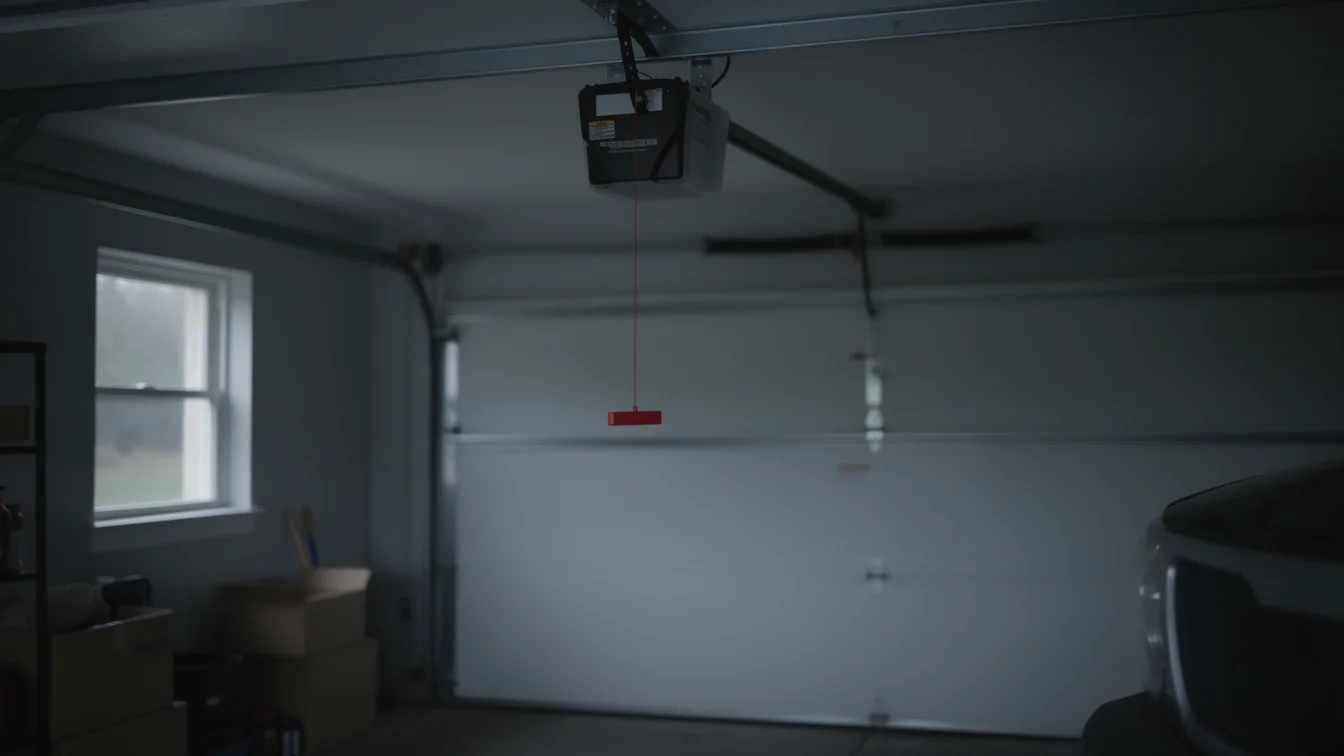
Most houses in the Green Bay area went up between 1962 and 2008, with the median build year sitting around 1985, so a lot of openers out there are either original 1980s-90s chain-drive units or a single replacement since. Across the 27 named neighborhoods and towns in this area, that stock looks the same: a garage bolted onto a house from the Reagan or Clinton years, wired for a garage door opener that assumed power would just be there. Those older units weren't built with battery backup in mind, because battery backup wasn't standard equipment when the house was framed. When the power drops, the opener stops, full stop, and the only way the door moves is the manual release cord hanging from the trolley. A second pattern shows up in houses built closer to 2008 - newer openers, but now old enough that the circuit board or the logic board inside has started to age out, which looks like a random failure but usually traces back to a part that's simply had twenty-plus winters on it. Neither problem is really about the opener brand. It's about how long the unit has been doing its job and what kind of winters it's been doing that job through.
The area
What You Pay
We don't have a flat number to hand you here - what you pay depends on whether the fix is a logic board, a full opener swap, or just wiring a battery backup into what you've already got, and that's not something we can put a figure on without seeing the unit. What we can tell you is what drives the decision. With a median household income here around $96,607, most owners can afford a mid-range opener with battery backup rather than the bargain unit builders put in back when these houses went up, and that's usually the better move once an opener from the 1980s or 90s starts acting up - repairing a thirty-year-old logic board often costs close to what a new opener runs, and the new one comes with a backup battery built in. If your opener is from the newer end of the 1962-2008 build range, repair still makes sense more often than not. The honest limitation: we can't quote parts and labor sight unseen, and if a board is backordered, that's a manufacturer timeline we don't control.
What we find
When to Get Help
If the power's out and the door won't budge, pull the manual release cord - it's the red handle hanging from the rail - and lift by hand. That disengages the opener and lets you move the door on the springs alone, which is how the door worked for decades before openers existed. If the door feels heavy or won't stay up on its own once you've released it, that's not a power problem, that's a spring problem, and it's not a DIY fix - a torsion spring under tension can take a finger off. Call when: the opener runs but the door doesn't move, the door reverses on its own before touching the floor, or the manual release won't catch. Don't call an opener tech for a dead spring, and don't call a spring tech expecting an opener diagnosis - the two jobs use different tools and different parts. If your opener dates to the 1980s or 90s stock common in this area and the board's gone, we'll tell you straight if replacement beats repair rather than stringing out a repair that won't last another winter.
How we work
What the Weather Here Does to It
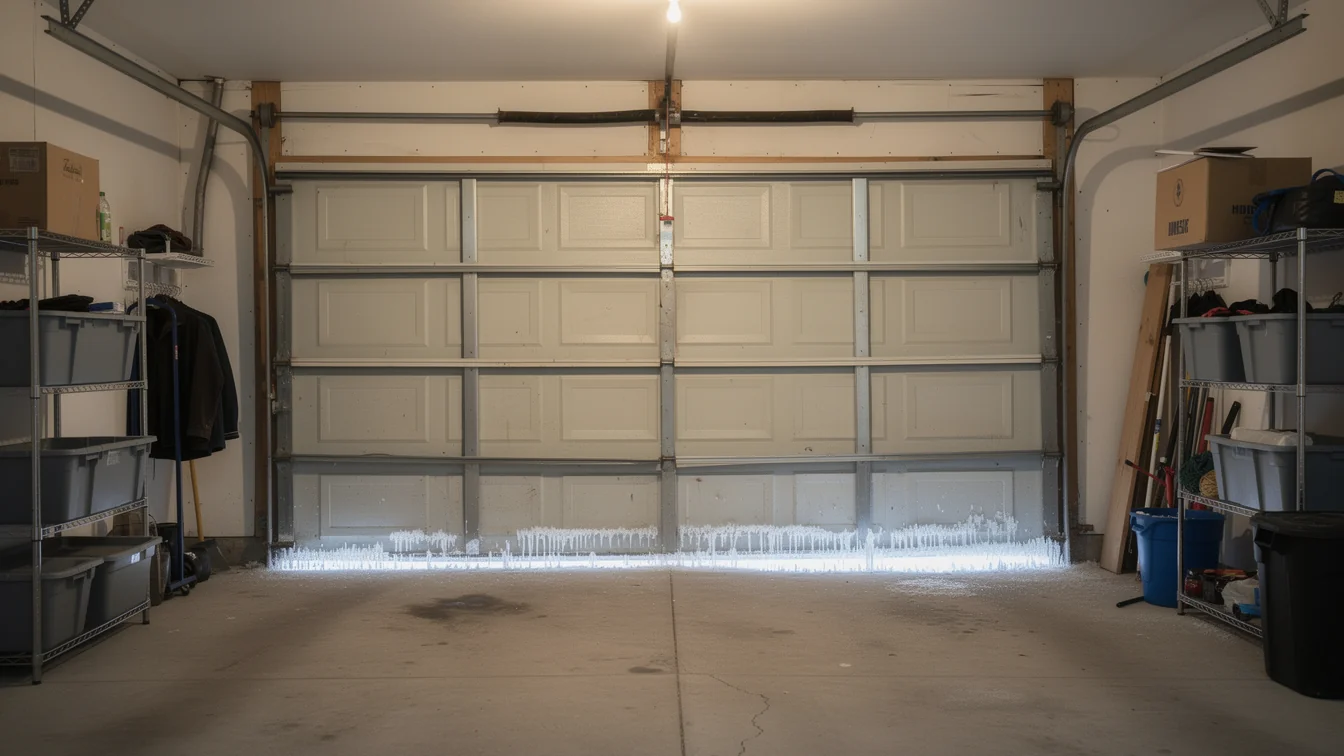
Green Bay sits in a climate band the federal data marks as severe cold, which means grease inside an opener's gearbox thickens every winter and the chain sags on a cycle it didn't sag on in July. Cold also shrinks steel slightly, enough to throw off a limit switch that was set fine in September, so you'll get a door that reverses two inches off the floor or won't fully close once temperatures drop hard. Battery backups lose capacity in the cold too - a battery that holds a charge fine in summer might only get you one cycle on a sub-zero night. If you're within a few miles of Green Bay - Allouez, Bellevue, Howard, Ashwaubenon - you're in the same cold band and the same housing-age bracket, so the same opener problems show up on the same schedule, usually the first hard cold snap of the season. None of this is a defect in any one brand of opener; it's what severe cold does to moving mechanical parts and lead-acid batteries alike, and it hits houses from this build era hardest because the hardware is older and the tolerances have drifted.
Questions
Common questions
My opener won't work during a power outage. Is that normal?
Yes - unless your opener has a battery backup, it has no power source besides the wall, same as most openers installed in houses built here before battery backups became common. Use the manual release cord to open the door by hand until power's back.
Why does my opener struggle more in January than in July?
Cold thickens the grease in the gearbox and chain, shrinks metal parts slightly, and drains battery backups faster. Green Bay's winters fall in the severe cold band, so an opener that runs fine most of the year can start reversing or stalling once temperatures drop hard.
Is it worth replacing an opener from the 1980s or 90s instead of repairing it?
Often, yes. Repairing a logic board that old can cost close to a new unit, and a new opener comes with battery backup and better cold tolerance built in. We'll look at the specific failure before telling you which way makes sense for your situation.
Recommendation
You Might Also Like
More garage door guides for Green Bay homeowners.
Why Green Bay Garage Doors Break the Way They Do
Green Bay homes mostly date 1962-2008 with hardware built for a cold severe climate.
 What Winter and Older Housing Stock Do to Garage Doors in Green Bay
Green Bay homes built 1962-2008 face severe cold winters that strain garage springs and openers.
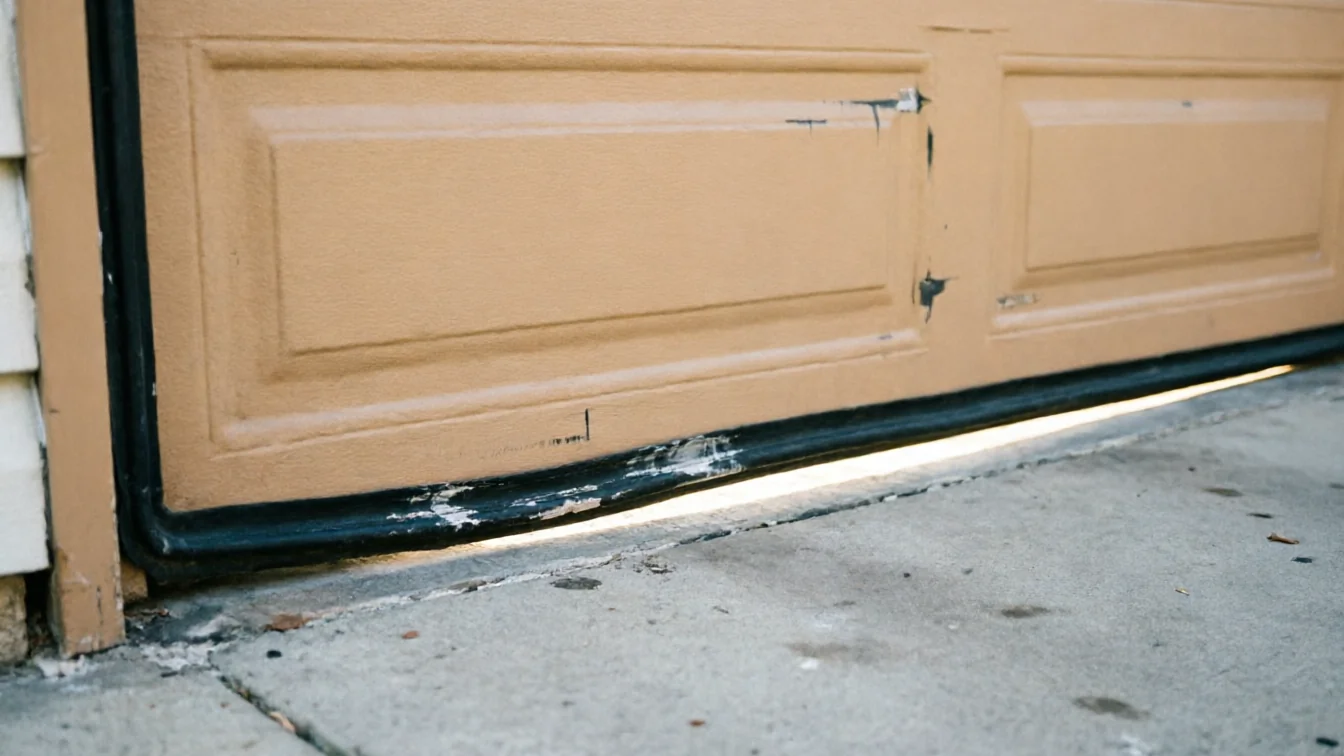 What Your Garage Door Is Up Against in Green Bay
Local info on garage door wear in Green Bay's 1962-2008 housing stock, severe cold winters, and what repair or replacement costs actually depend on here.
Ready when you are
Need a garage door sorted in Green Bay?
Green Bay Garage Door Co repairs and installs garage doors, springs and openers in Green Bay, WI and the surrounding area.