
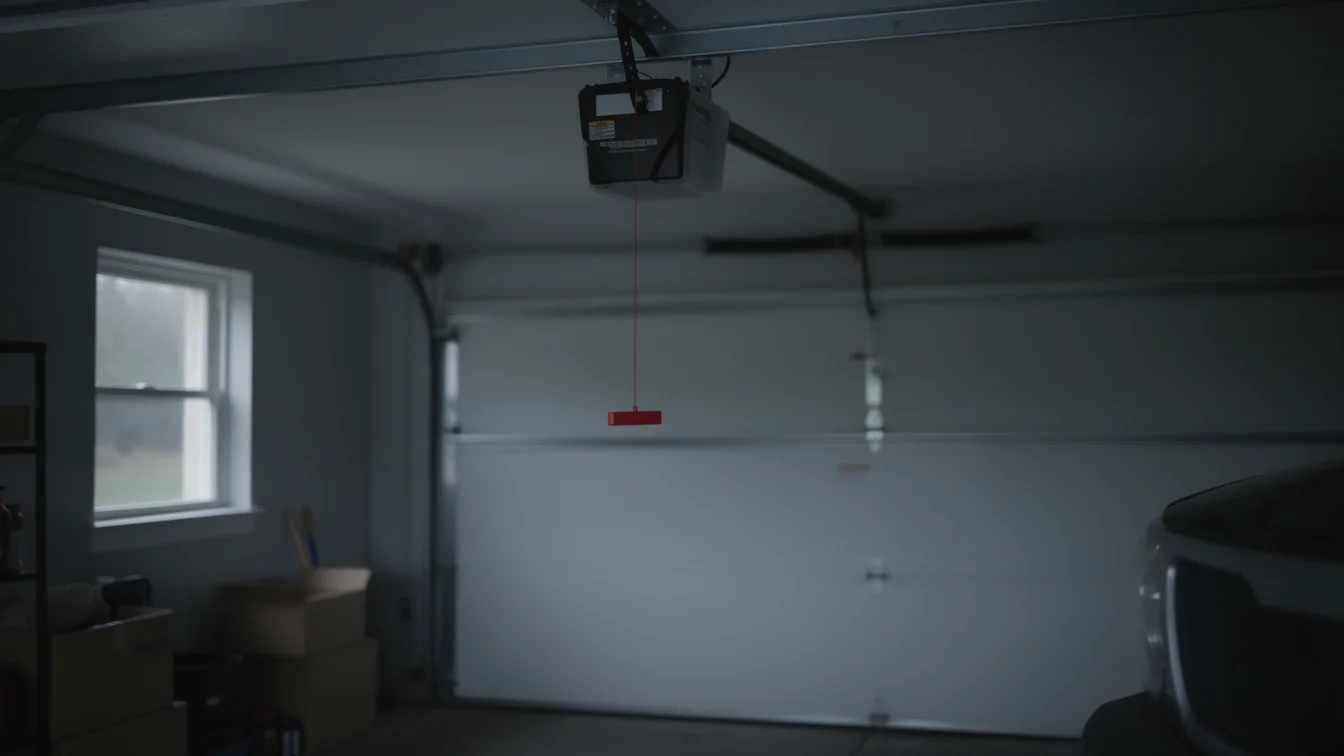
 Openers and Power Cuts: What's Really Going On in Green Bay
Green Bay homes built mostly 1962-2008 run openers that weren't made for severe cold or outages.
Why Green Bay Garage Doors Break the Way They Do
Green Bay homes mostly date 1962-2008 with hardware built for a cold severe climate. Here's what breaks, why, and what a spring failure really costs to fix.
Local detail
What Is Going On
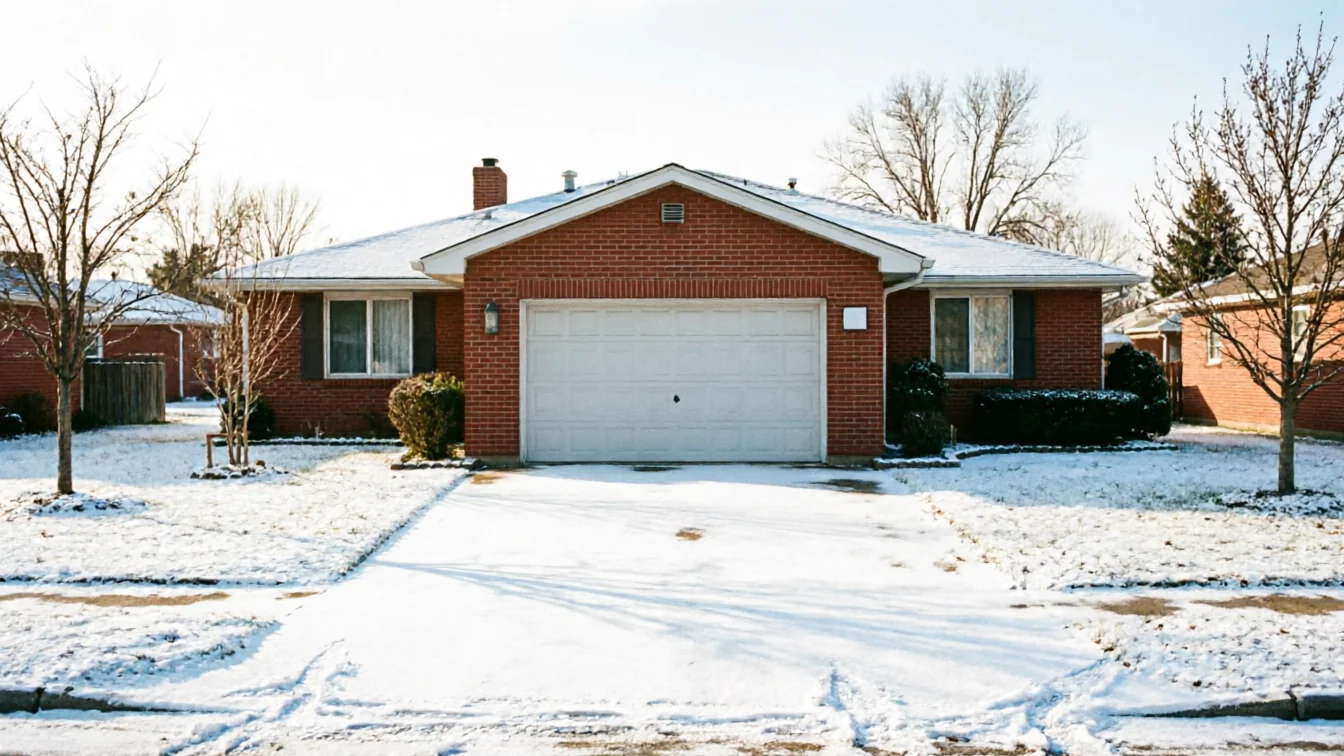
Most of the houses we get called to in Green Bay and the surrounding area went up somewhere between 1962 and 2008, with the median build year sitting around 1985. That matters more than people think. A door and opener installed when a house was built in the mid-80s is now pushing forty years old, and torsion springs are rated for a cycle count, not a calendar date. Across the 27 named areas we work in, the stock skews heavily to that 1980s-90s build window, so a huge share of the doors out there are original or close to it.
What we see most: springs that have gone past their cycle life and snap without warning, galvanized rollers worn to the point they're grinding in the track, and openers from that era with drive gears that strip rather than fail clean. Panels on doors from the 80s and 90s were often steel without much insulation, so they've taken decades of temperature swings and show it in the seams and bottom panel rust line. None of this is a this-house-is-unlucky problem. It's an entire era of housing stock hitting the end of its hardware life at roughly the same time.
The area
What You Pay
We don't have a price list to hand you here, and giving you one would mean pretending every door and every failure is the same, which they aren't. What drives the number is almost always the age and type of what's already on the house. A 1980s steel door with a standard torsion spring is a straightforward swap. A door from that same era with an opener that's been failing slowly, bent track from years of cold-weather strain, or a jamb that's shifted is a different job entirely once we're inside the garage.
One honest limitation: if your opener logic board or circuit board has failed on an older unit, parts for openers from the 80s and 90s are often no longer made, and we may tell you replacement beats a repair before we even start. That's not an upsell - it's just where the parts supply chain is for hardware that old. Ask for a number specific to your door and your garage, not a general range, because on a house built in 1985 versus one built in 2005 the difference in what needs replacing can be real money.
What we find
When to Get Help
Call before the door is fully stuck, not after. On original hardware from the 1980s-90s window that's common across this area, the warning signs are usually there for weeks: a spring that groans on the way up, a door that slams the last six inches instead of settling, an opener that strains and reverses before the door seats. Those are cycle-life symptoms, and they get worse fast once the cold sets in.
If a cable has frayed or a spring has already let go, don't try to force the door by hand - a wound torsion spring under tension is not something to work around yourself. With 35,524 owner-occupied houses across the service area and a housing stock concentrated in that same multi-decade window, we see the same handful of failure patterns on repeat: it's rarely a mystery, it's usually a part that's simply reached the end of what it was built to do.
How we work
What the Weather Here Does to It
This area sits in a cold severe climate band, and that changes how garage door hardware ages compared to a milder region. Steel contracts in deep cold, which tightens tolerances in the track and puts extra load on a torsion spring right at the moment it's already working hardest to lift a cold, stiffened door. That's why spring failures here cluster on the coldest mornings of the year rather than spreading evenly across the calendar - the spring was already near its limit, and the cold is what finishes it.
Lubricant matters more here too. Standard grease thickens in sub-zero temps and stops doing its job on rollers and hinges, which is part of why older doors from the 1980s-90s stock start grinding and binding every winter. Weatherstripping on a thirty-plus-year-old door also loses flexibility in a cold severe climate faster than it would somewhere milder, letting more cold air and moisture into the garage, which in turn speeds up rust on panel seams and hardware. None of this is unique to one house - it's what this climate does to any door built for an earlier decade's standards.
Questions
Common questions
Why did my garage door spring snap on such a cold morning?
In a cold severe climate, steel tightens up and a torsion spring already near the end of its cycle life is under extra load lifting a stiff, cold door. Most failures we see cluster on the coldest days for exactly that reason - the spring was close to done, and the cold finished it.
Is my opener too old to repair?
If your house was built in the common 1980s-90s window for this area and the opener is original, parts for that generation are often out of production. We'll tell you honestly if replacement makes more sense than chasing a part that's hard to find.
Why does my door grind in the track every winter?
Standard grease thickens in sub-zero temperatures and stops lubricating rollers and hinges properly. On older doors from the 1980s-90s stock common in this area, that grinding sound every winter is usually lubricant failure, not a worn part yet.
Recommendation
You Might Also Like
More garage door guides for Green Bay homeowners.
Openers and Power Cuts: What's Really Going On in Green Bay
Green Bay homes built mostly 1962-2008 run openers that weren't made for severe cold or outages.
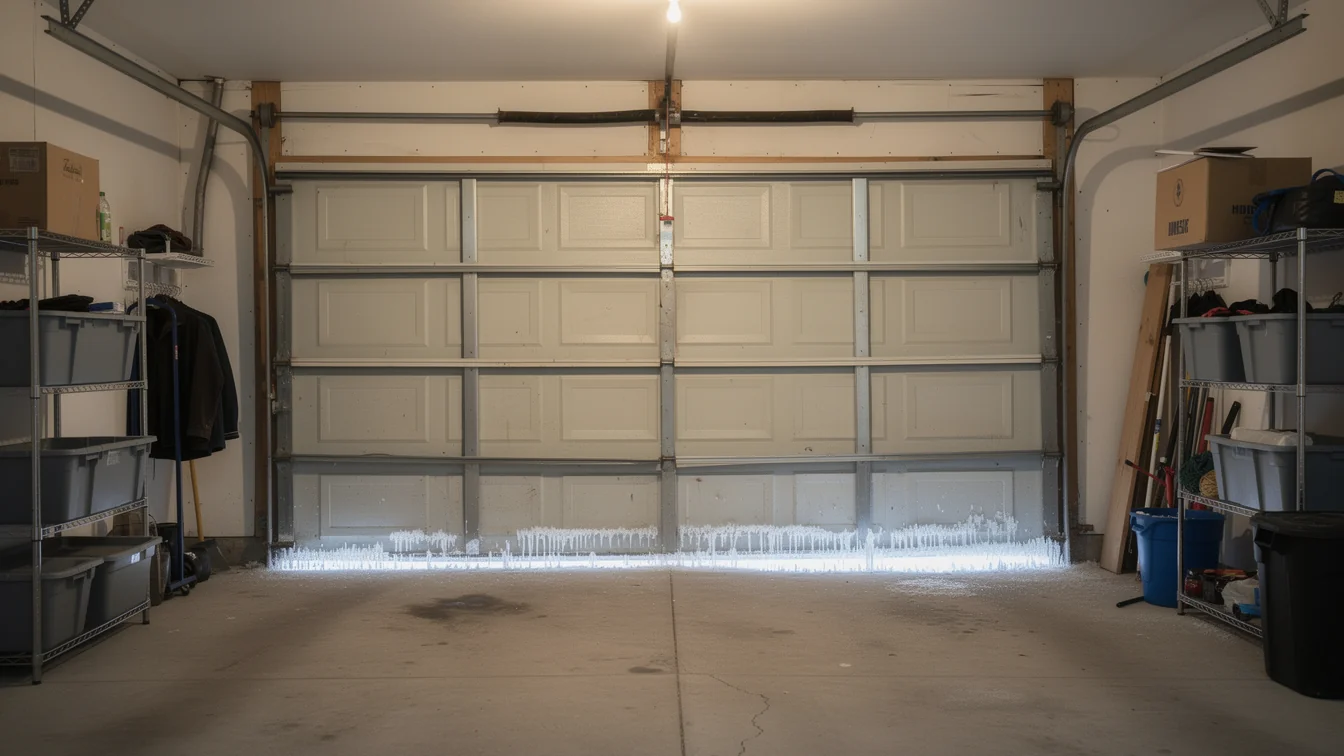 What Winter and Older Housing Stock Do to Garage Doors in Green Bay
Green Bay homes built 1962-2008 face severe cold winters that strain garage springs and openers.
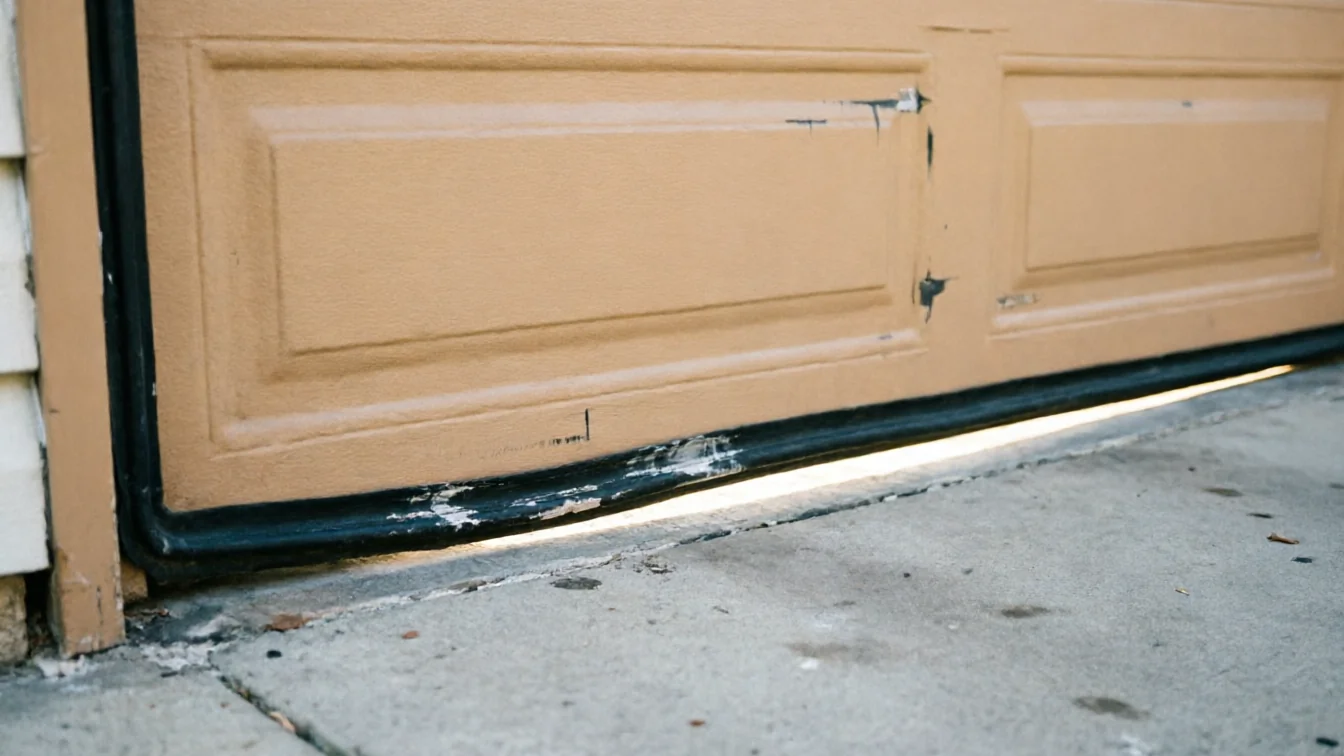 What Your Garage Door Is Up Against in Green Bay
Local info on garage door wear in Green Bay's 1962-2008 housing stock, severe cold winters, and what repair or replacement costs actually depend on here.
Ready when you are
Need a garage door sorted in Green Bay?
Green Bay Garage Door Co repairs and installs garage doors, springs and openers in Green Bay, WI and the surrounding area.