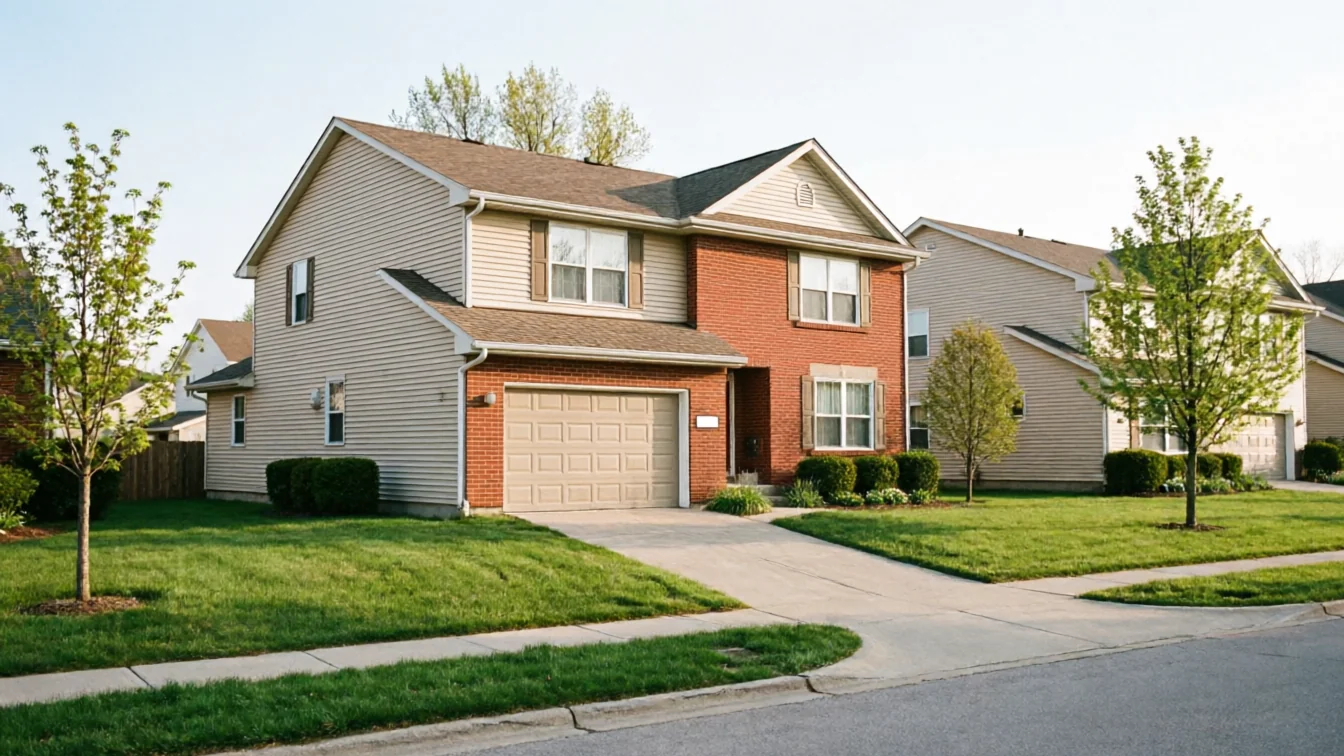
Lighter late-1960s housing mix
Allouez doesn't follow that spread. It's weighted hard toward the late 1960s, with less of the newer construction that shows up in areas built out later.
Allouez, Green Bay WI
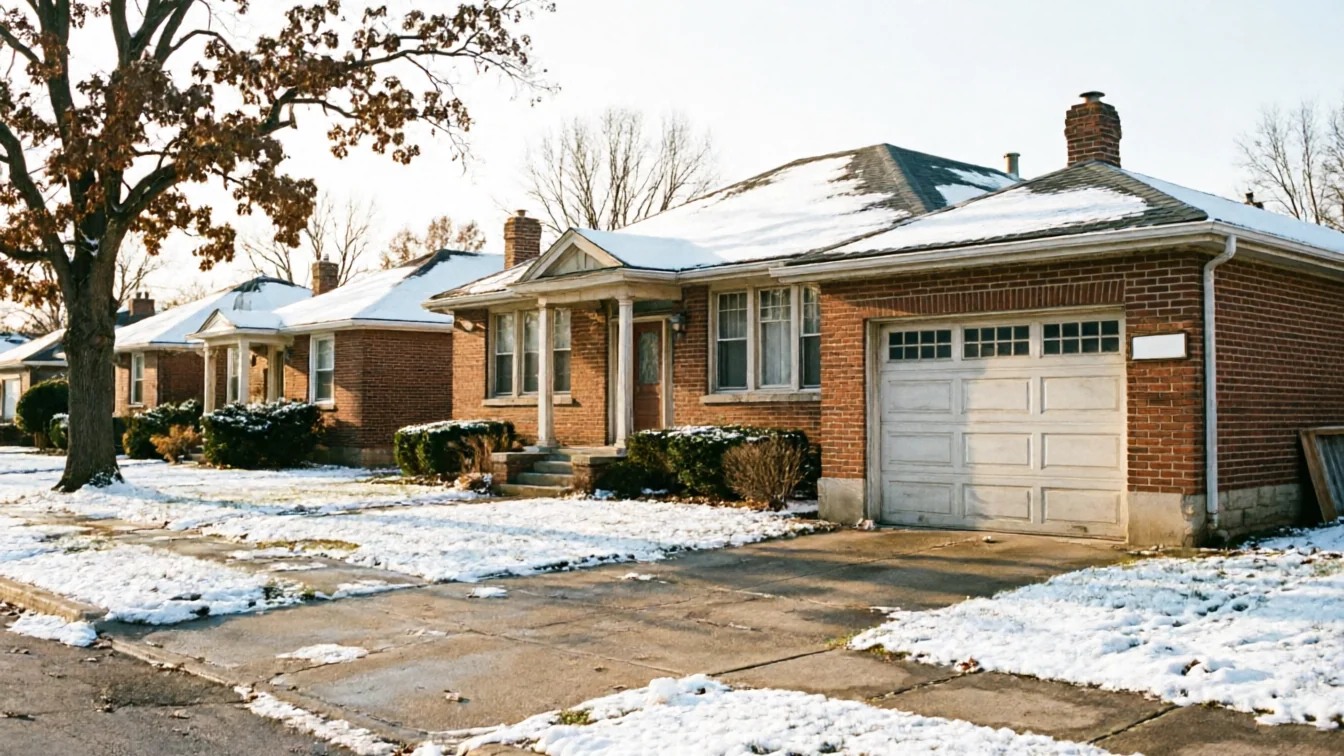
Allouez homes mostly date to the late 1960s, older than the wider service area. We work on the extension-spring hardware and steel doors that era left behind.
What we do here
Local housing
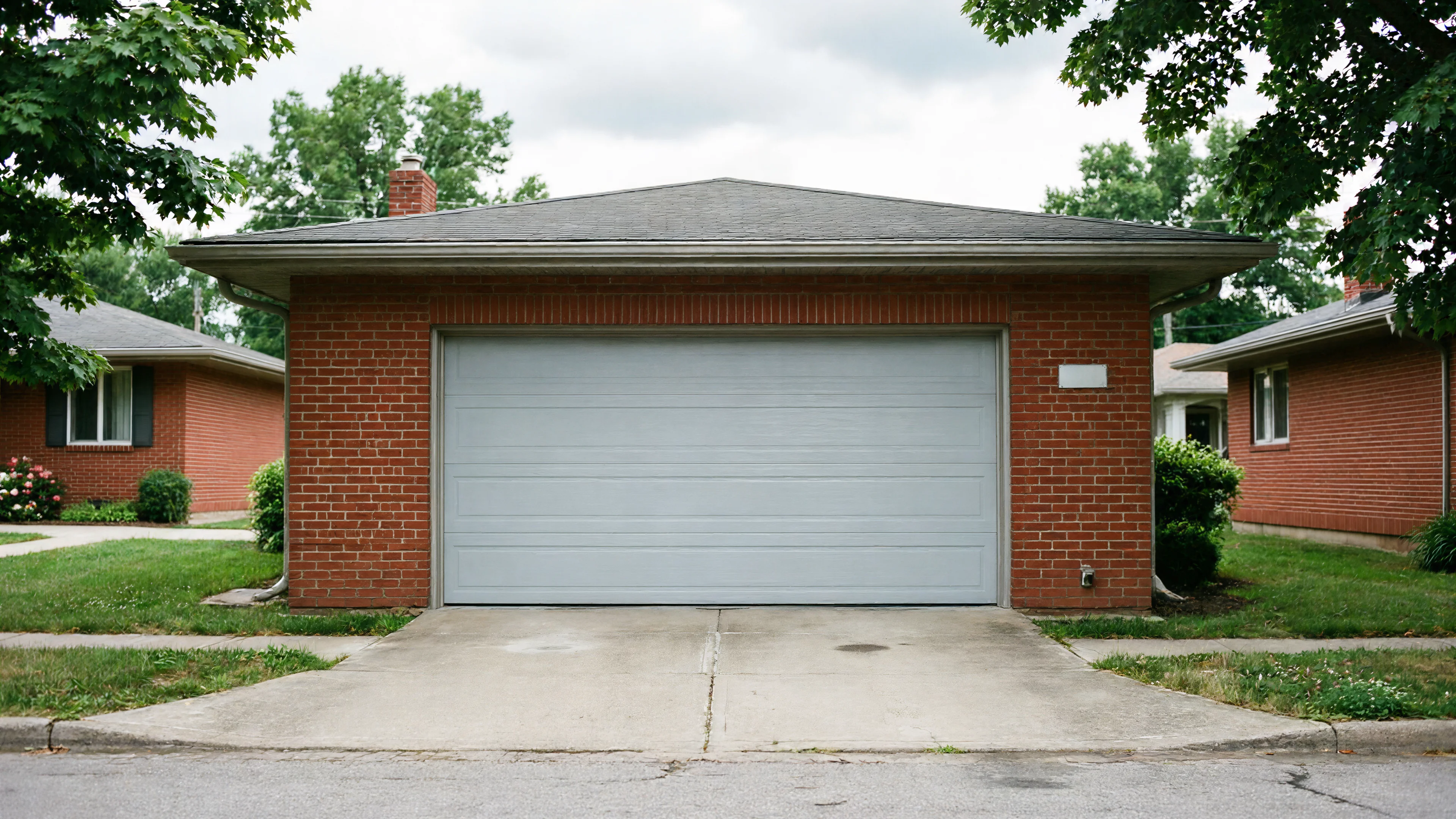
Allouez sits about four miles from Green Bay, and the housing stock here tells its own story. The median home in this area went up in 1969 - a good fifteen years ahead of the median across the wider service area, which lands closer to 1985. That gap matters more than it sounds like it should. A house built in 1969 was framed, wired, and fitted with a garage door using hardware that the rest of the service area mostly skipped past as it filled in through the 70s, 80s, and into the 2000s.
With roughly 6,017 households in Allouez, you've got a dense pocket of homes that all came up around the same few years. That's different from a sprawling subdivision built out over three decades. When one garage door system in this neighborhood fails, there's a decent chance the one next door is wearing out the same part, from the same era, at close to the same time. Median household income here runs about $90,035, a bit under the broader area's $96,607 - which tends to show up as more owners choosing a solid repair over a full tear-out replacement when a door still has life left in it.
Old vs new homes
Across the full service area, the building stock runs 1962 through 2008, with newer homes mixed in from the 80s and 90s sprinkled through 27 named communities.
Allouez doesn't follow that spread. It's weighted hard toward the late 1960s, with less of the newer construction that shows up in areas built out later.
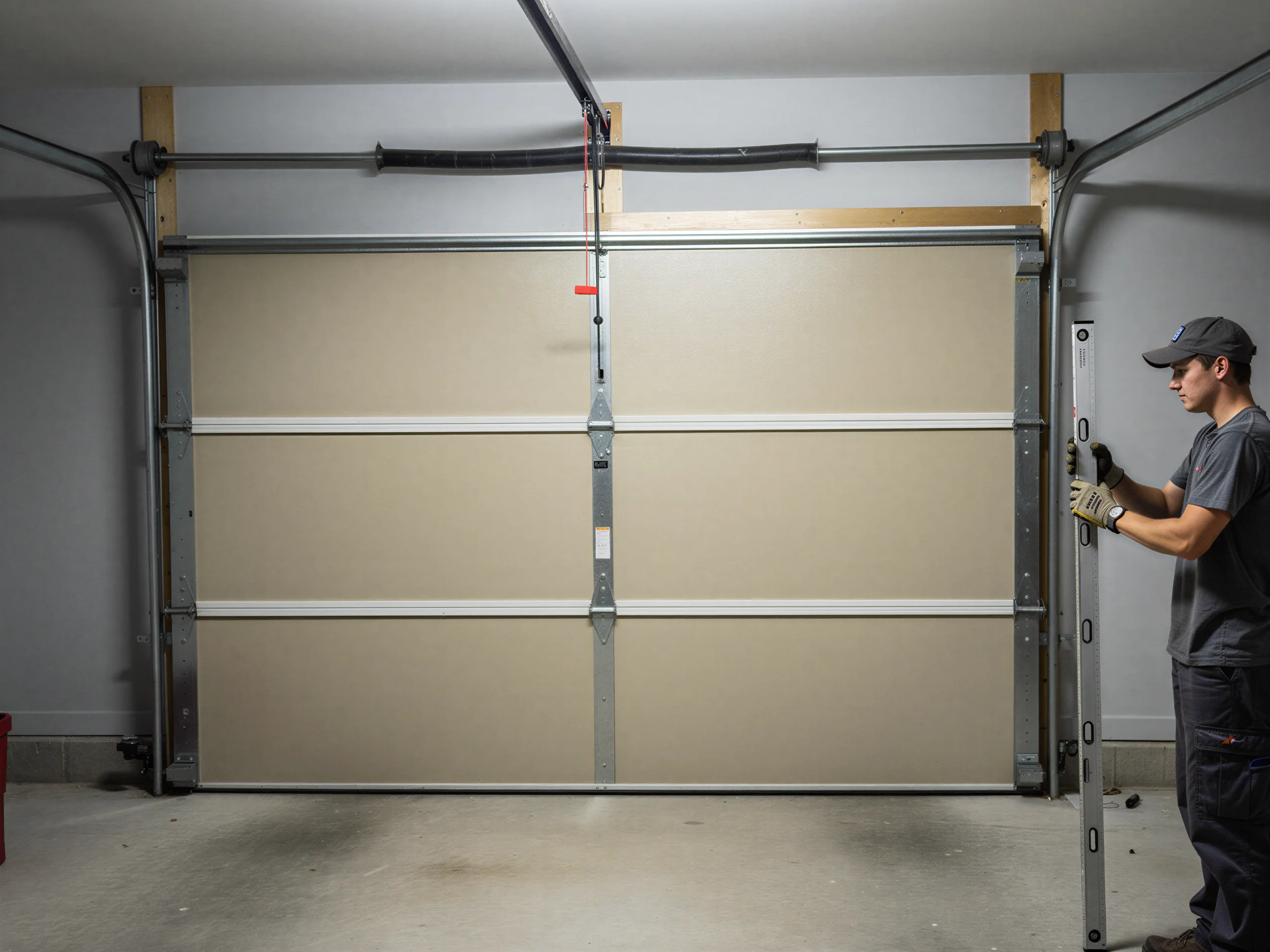
That means fewer homes here with the wider, insulated steel doors and extension or torsion setups you'd expect from a 1995 build, and more with the narrower door openings and simpler spring setups standard in the late 60s. It's not a bad thing - a well-kept door from that era can still run fine.
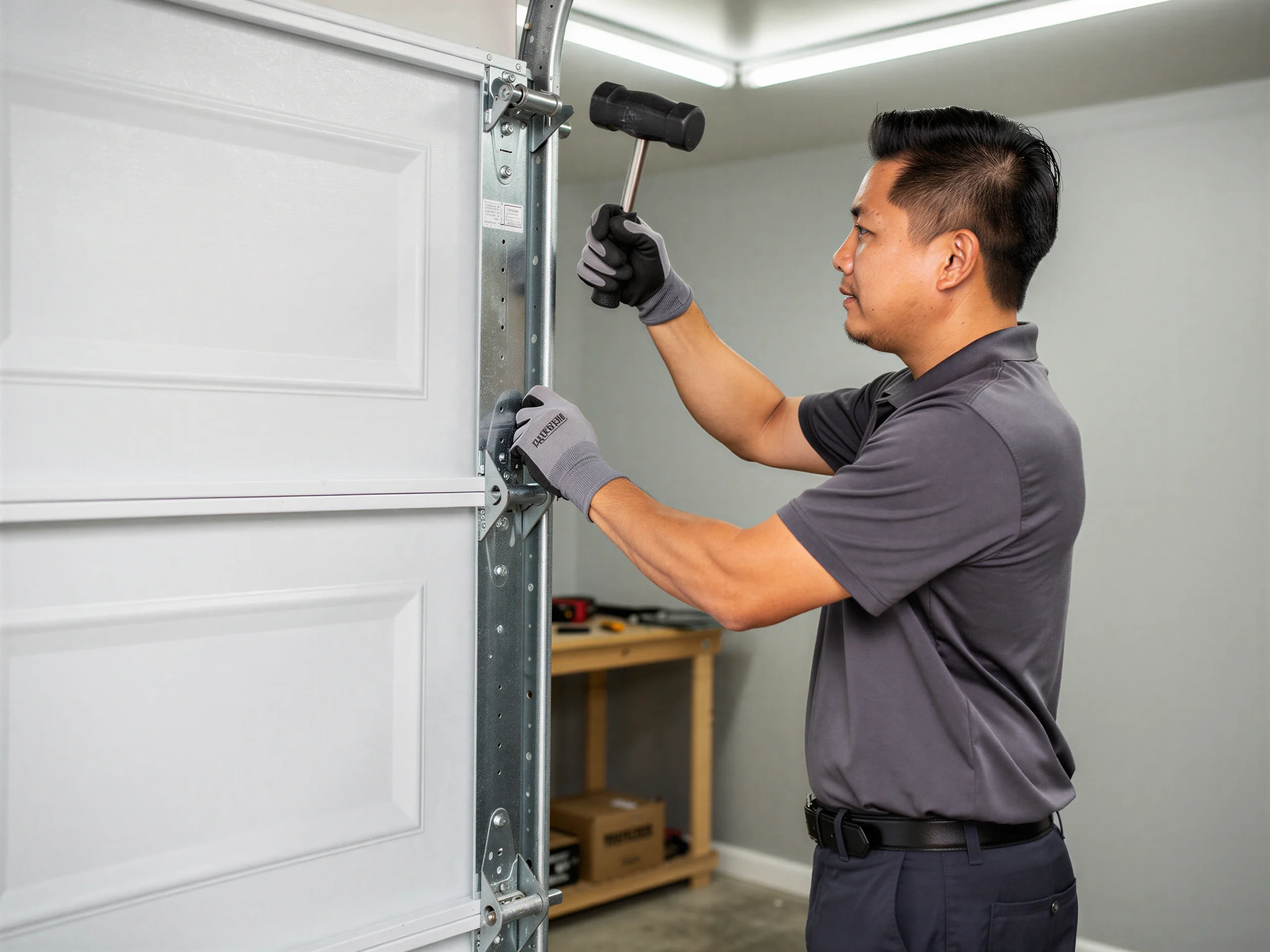
But it does mean a parts call in Allouez is more likely to turn up older stamped-steel panels, single-point latches, and spring hardware that's been replaced once or twice already by whoever owned the house before. The split between old and new in this area leans heavily toward old, and that shapes nearly every service call we get from here.
Door impact
Serving Green Bay, WI
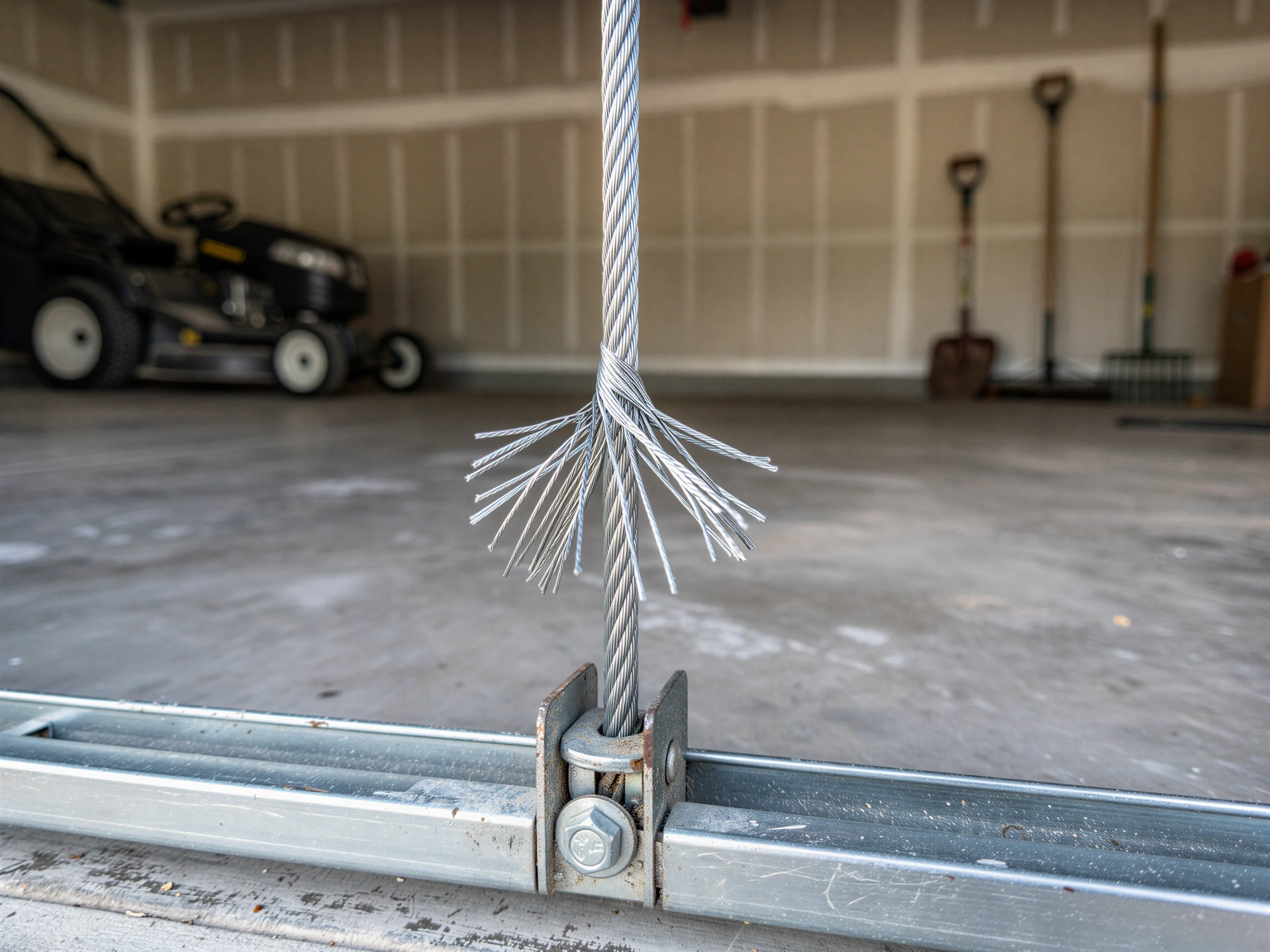
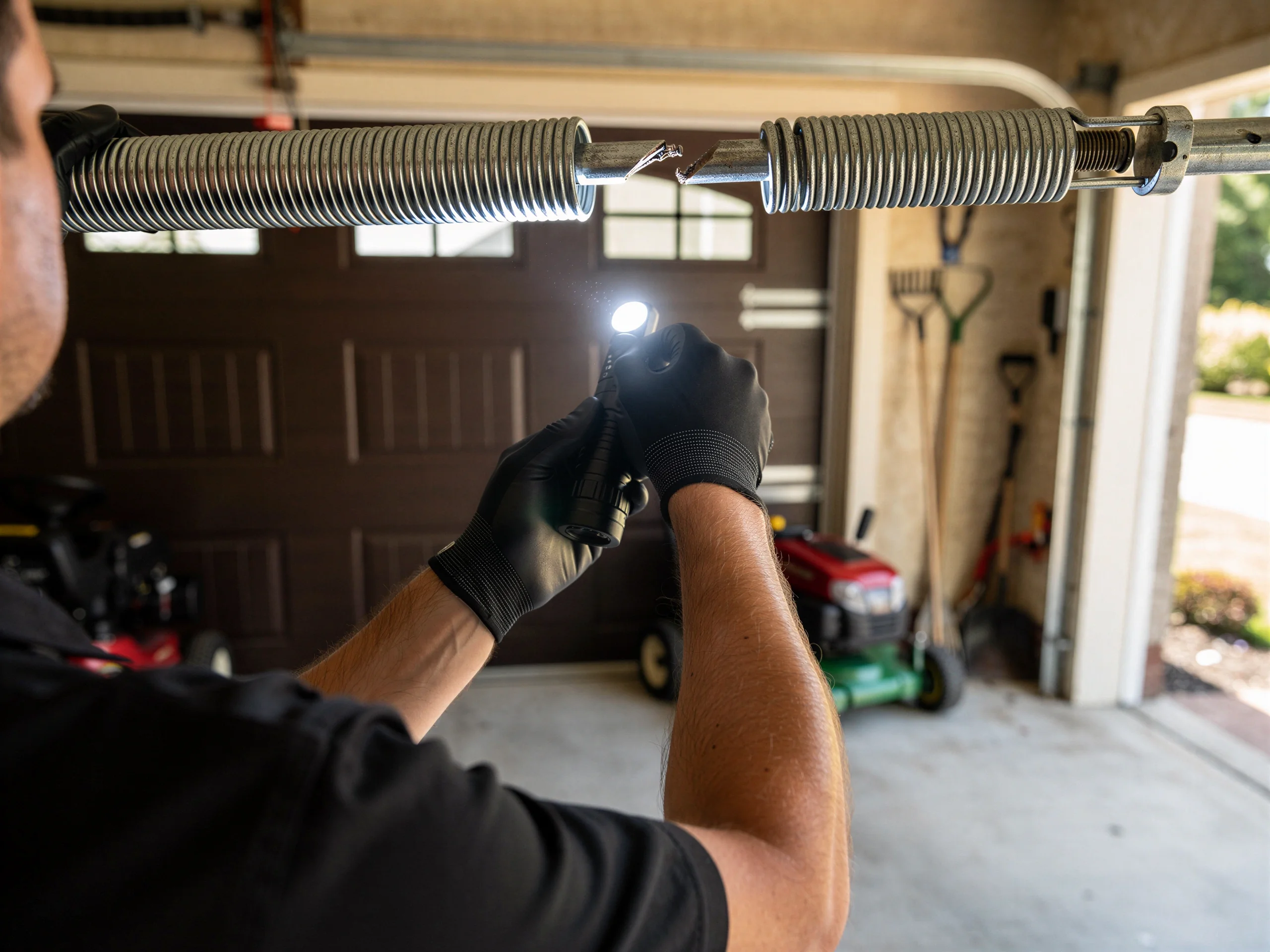
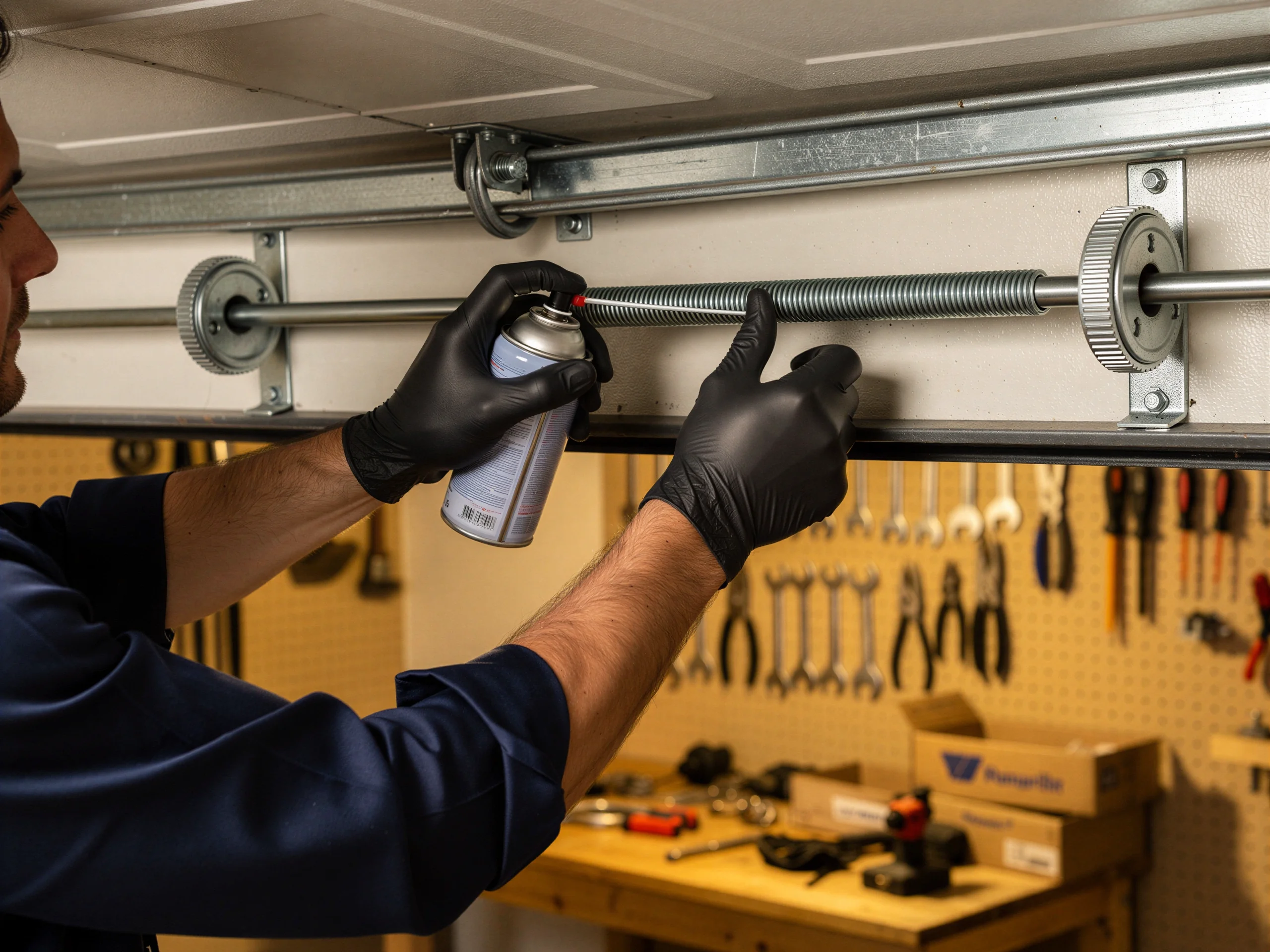
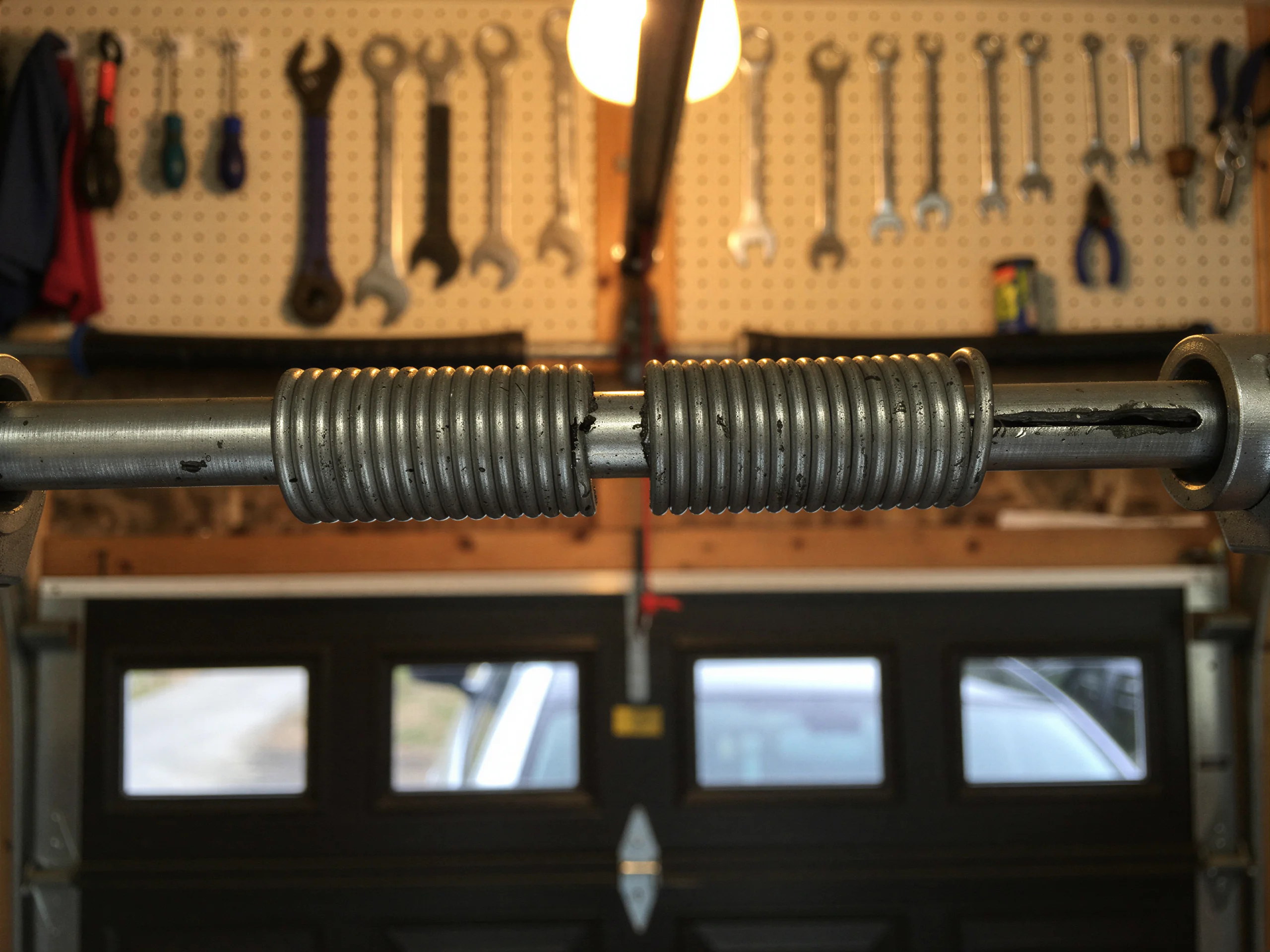
A door installed around 1969 was almost never torsion-spring. Extension springs running along the horizontal track, with a separate pulley-and-cable setup, were still the standard residential choice. Those systems wear differently than the torsion springs common in newer builds - the cables fray where they loop through the pulley, and the springs themselves lose tension unevenly, which is why a door from this era often drags on one side before it ever fully fails.
This region sits in a cold, severe climate band, and that's hard on any garage door, but it's especially hard on original steel sections from the late 60s that were never insulated to begin with. Cold makes old lift cables brittle and stiffens grease in rollers that haven't been serviced in years. We see a fair number of panels here that have warped slightly at the bottom from decades of frost heave under the slab, enough to throw the door out of square without anyone noticing until the opener starts straining.
Common jobs
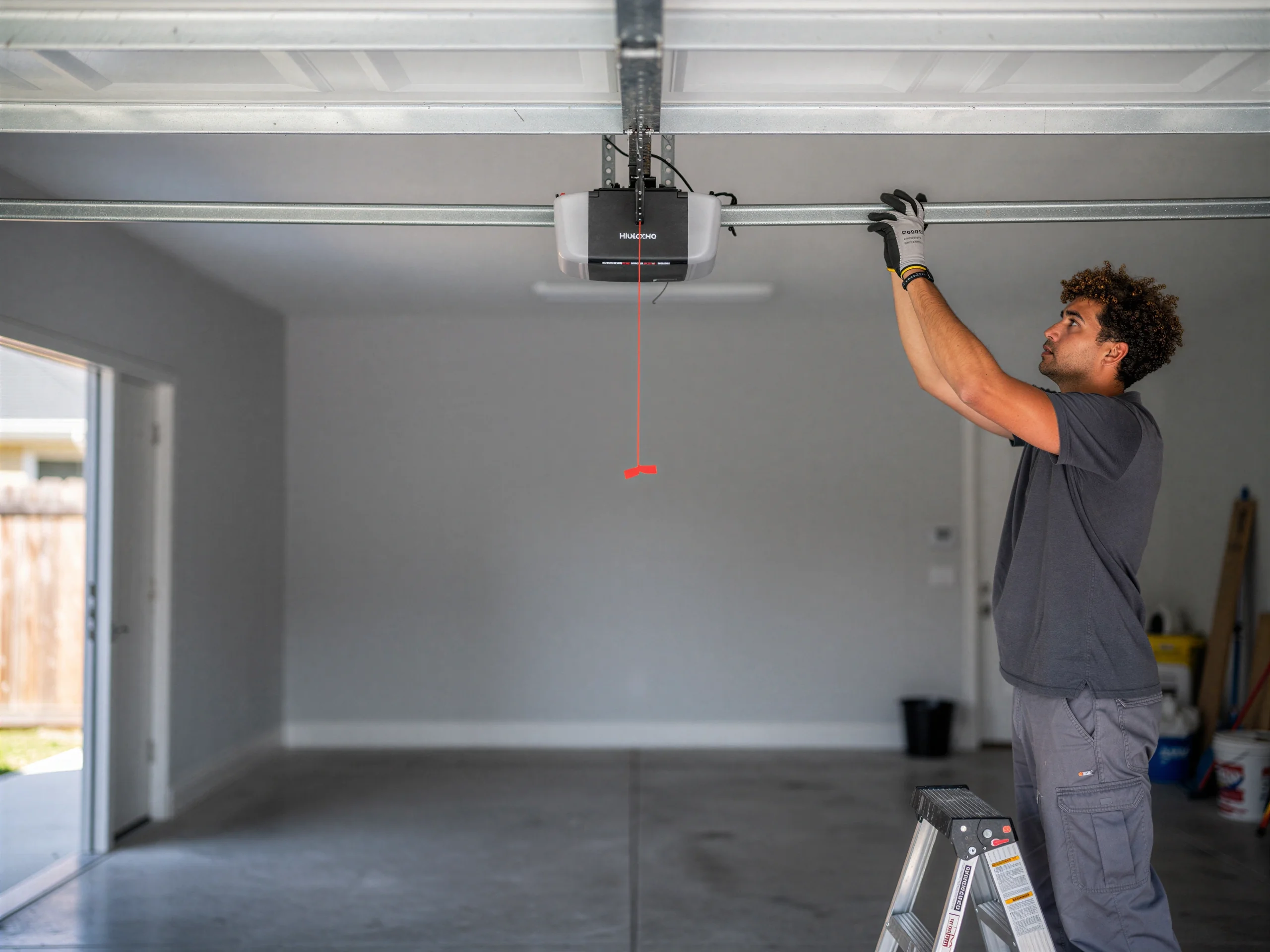
In Allouez, the calls we get most are extension-spring replacements, cable swaps, and track realignments on doors that have been shifting slowly for years. We also see a steady run of opener replacements, since a lot of these houses have had at least one opener upgrade already, and the garage door drive gear that was standard in the 90s is starting to wear out on its second or third owner.
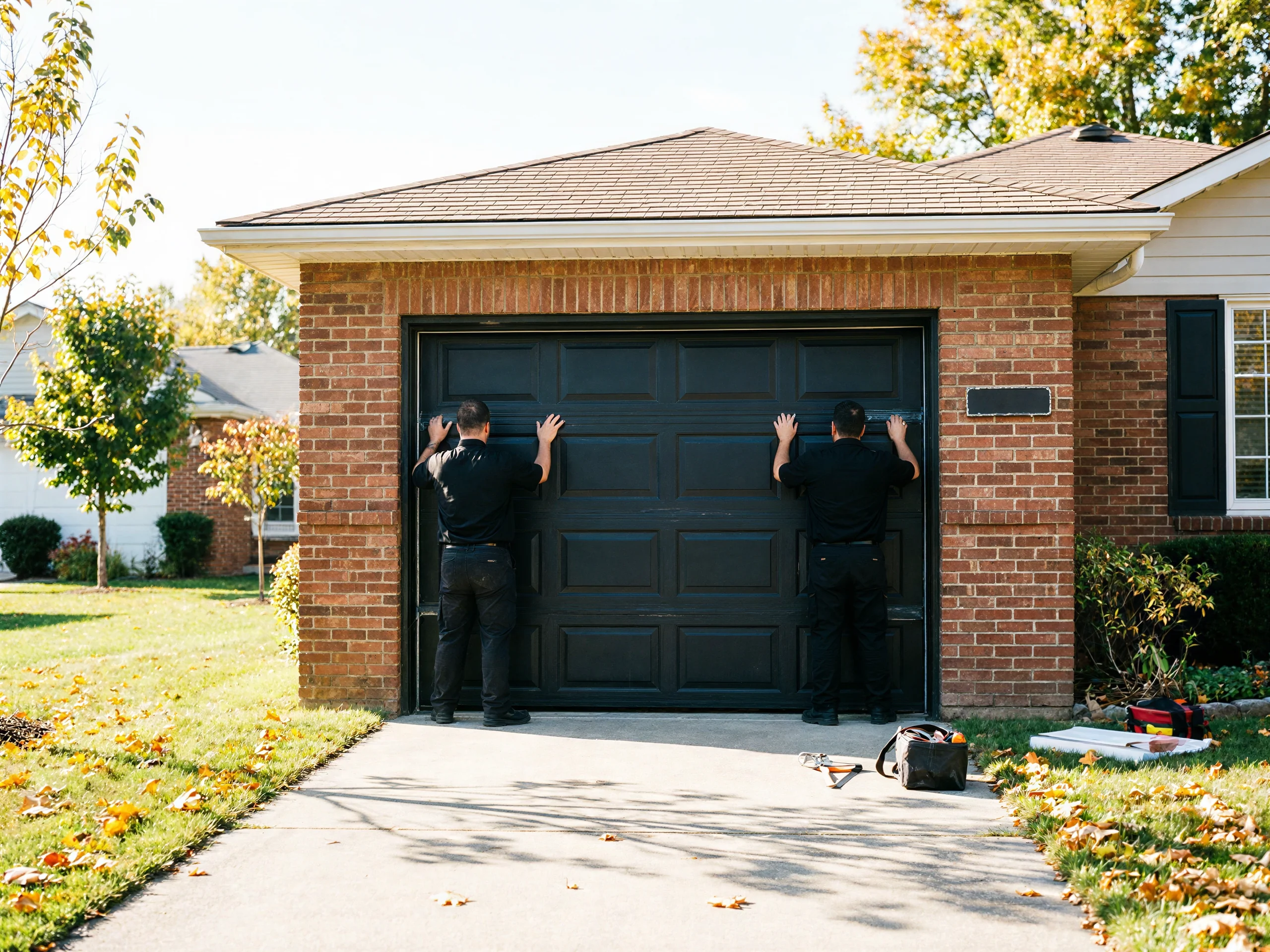
One honest limitation: if a door from this era has a bent track and a warped bottom panel both at once, patching one side while ignoring the other usually doesn't hold for long, and at that point full replacement is the better dollar-for-dollar call rather than another round of spot repairs. We'll tell you straight when that's where you're at instead of running up a repair bill on a door that's past the point of being worth saving.
Service areas
Questions
Allouez homes mostly went up around 1969, well before the torsion-spring systems and wider steel doors that became standard in later construction. Houses here were more often built with extension springs and narrower openings, so the parts and failure points differ from newer homes elsewhere in the area.
Yes. This area sits in a cold, severe climate band, and original steel panels from the late 1960s typically weren't insulated. Cold stiffens old grease and makes aging lift cables brittle, which is part of why doors from this era tend to drag or bind more in winter than newer insulated models.
Often yes, especially if the track and panels are still square. But if the bottom panel has warped from years of frost heave and the track is also bent, patching one side rarely holds. At that point, full replacement is usually the better value than repeated repairs.
Ready when you are
Green Bay Garage Door Co repairs and installs garage doors, springs and openers in Green Bay, WI and the surrounding area.